Walk down any home-organization aisle in 2026 and one material keeps showing up: non-woven fabric. Lightweight, breathable, and able to fold completely flat, non-woven storage boxes have become the default choice for closets, drawers, and under-bed storage across North America, Europe, and Asia. This update explains what they are, why demand is climbing, and answers the questions our importer clients ask most.
What Are Non-Woven Fabric Storage Boxes?
Non-woven fabric is produced by bonding polypropylene or polyester fibers together — with heat, pressure, or a light binder — instead of weaving threads into a cloth. The result feels like soft felt but is stronger and more dimensionally stable than it looks. For storage boxes, that sheet is laminated onto cardboard or PP panel inserts so the box holds its shape, then finished with handles, windows, and lids.
Because the material is engineered rather than woven, manufacturers can tune its weight, stiffness, and color precisely — which is exactly why it suits high-volume, customizable storage products.
Why They're Winning the 2026 Market
Three forces are pushing non-woven boxes to the front of the category this year:
- Freight efficiency. Folded flat, a container of non-woven boxes holds 4–6× more units than rigid plastic bins. With ocean freight still a major cost, that efficiency matters.
- The eco shift. Buyers want plastic-free, reusable organization. Non-woven PP uses less material, ships compact, and lasts for years of reuse.
- Rentals and small-space living. As more people live in compact apartments, collapsible storage that disappears when not needed fits the lifestyle perfectly.
Key Benefits for Homes and Retailers
- Breathable. Air passes through the fabric, preventing the musty smell closed plastic can trap — ideal for seasonal clothing and textiles.
- Lightweight. Easy to lift, slide, and restack, even when full.
- Collapsible. Fold flat in seconds for off-season storage or returns.
- Soft on contents. No hard edges to snag delicate fabrics.
- Print-friendly. Logos, patterns, and care labels apply cleanly for private-label brands.
Non-Woven vs Plastic vs Woven: A Quick Comparison
| Factor | Non-Woven Fabric | Plastic (PP/PET) | Woven Fabric |
|---|---|---|---|
| Breathability | High | None (sealed) | High |
| Ships flat? | Yes | No (rigid) | Partly |
| Water resistance | Low–medium | High | Low–medium |
| Best for | Closet, drawer, under-bed | Bathroom, garage, damp areas | Heavy-duty, laundry, toy bins |
| Relative landed cost | Low–medium | Medium | Medium–high |
Where They're Used
Non-woven boxes cover almost every room: closet shelving and hanging organizers, bedroom drawer dividers, under-bed containers for bulky bedding, nursery toy bins, and even car trunk organizers. Retailers love them as private-label staples because the same shell adapts to dozens of sizes and colors with one tooling setup.
What to Look for When Buying
Not all non-woven boxes perform equally. Prioritize these specs:
- Fabric weight (GSM): 40–60 g/m² for light items; 80–120 g/m² for books, shoes, and bedding.
- Insert quality: 2–3 mm cardboard or PP panels keep corners crisp and prevent sagging.
- Stitching: Lock-stitched seams outlast simple overlocking on heavy loads.
- Certifications: OEKO-TEX Standard 100 for fabrics, REACH for the EU, Proposition 65 for California.
- Windows & handles: PVC or PP windows and reinforced webbing handles improve both UX and perceived value.
Sustainability: The Eco Advantage
Against rigid plastic, non-woven polypropylene is the lighter-footprint choice: less raw material, compact flat shipping that cuts transport emissions, and years of reuse. Many grades enter standard PP recycling streams. At SAVING Industry we run OEKO-TEX-compliant fabrics and REACH-conformant production, and we help brands switch to recycled-PP non-woven on request.
Why Source from a Specialized Manufacturer
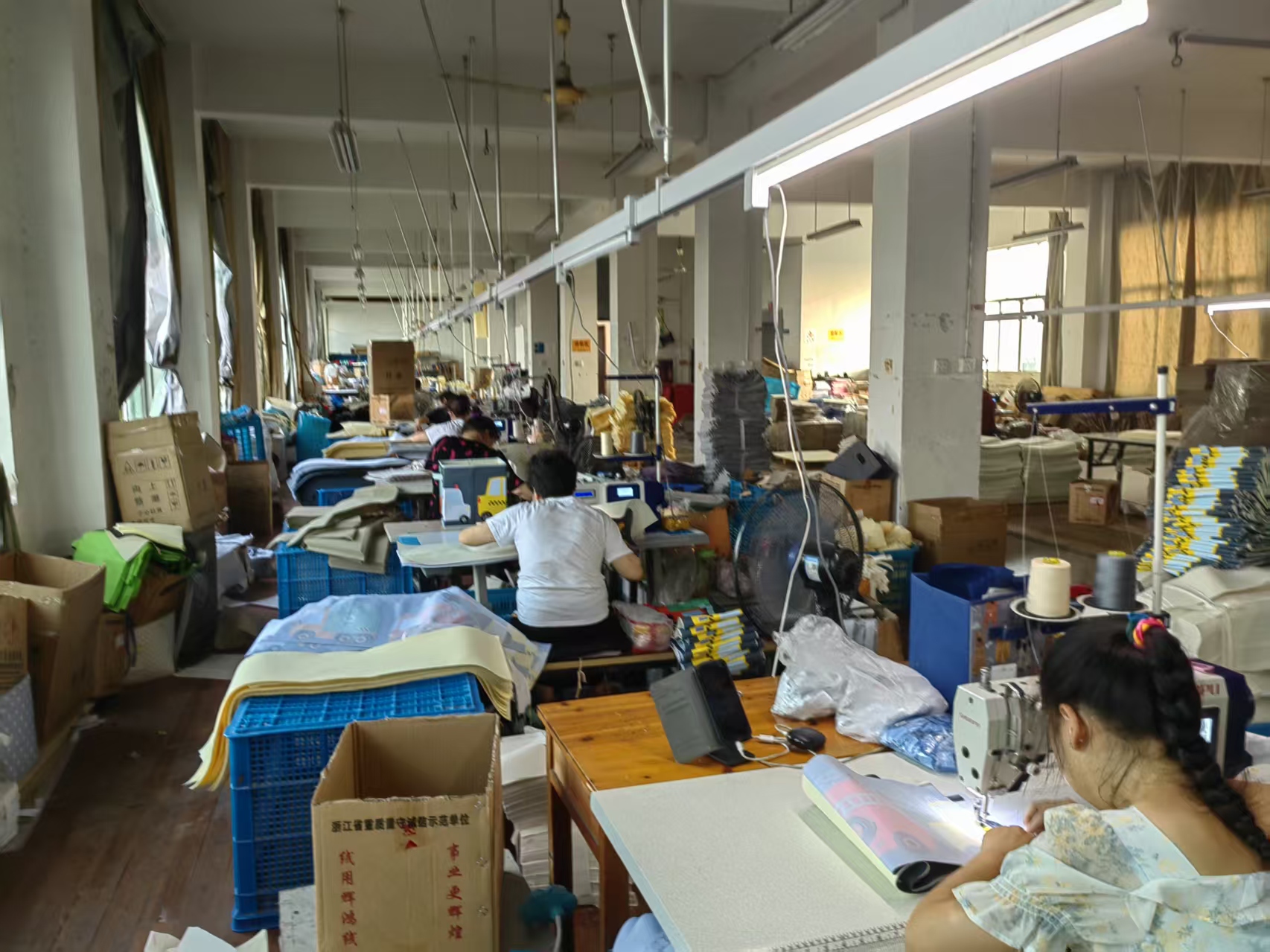
A purpose-built storage-box factory controls fabric weight, insert rigidity, and stitch quality end-to-end — instead of reselling another mill's output. At SAVING Industry we operate a 5,000+ m² modern production base with 120+ skilled workers, export to 30+ countries since 2017, and hold ISO 9001 and BSCI certifications. That lets us offer consistent quality, fast reorders, and true OEM/ODM flexibility.
Need Custom Non-Woven Storage Boxes for Your Brand?
We manufacture premium non-woven fabric storage boxes with full OEM/ODM customization — size, color, GSM, printing, window style, and packaging. Request a free quote and samples within 3–5 days.
Request a Free QuoteFrequently Asked Questions
What exactly is non-woven fabric, and is it durable enough for storage boxes?
Non-woven fabric is made by bonding fibers together mechanically, thermally, or with light adhesive — rather than weaving or knitting them. The result is a breathable, lint-resistant sheet that holds its shape well when paired with cardboard or plastic panel inserts. For storage boxes it is plenty durable for everyday closet, drawer, and under-bed use, typically lasting 3–5 years with normal care.
Are non-woven storage boxes washable?
Yes, but gently. Wipe with a damp cloth for routine cleaning. For deeper cleaning, hand-wash with mild detergent in cold water and air-dry — do not machine-wash or tumble-dry, as agitation can distort the structure. Avoid prolonged direct sunlight to prevent fading.
How do non-woven boxes compare to plastic boxes for shipping and retail?
Non-woven boxes are lightweight and fold flat, so they ship in a fraction of the volume of rigid plastic bins — cutting freight and warehouse cost. Plastic boxes are waterproof and transparent, better for damp areas or when contents must be visible at a glance. Most importers carry both: non-woven for the bulk of closet and drawer storage, plastic for bathrooms and garages.
What fabric weight (GSM) should I choose for storage boxes?
Lightweight items (t-shirts, accessories) do well at 40–60 g/m². For heavier loads (books, shoes, bedding) choose 80–120 g/m² with reinforced cardboard or PP panel inserts. We manufacture across the full 40–120 g/m² range and can recommend the right weight for your product mix.
Can non-woven storage boxes be customized with my brand?
Absolutely. We offer full OEM/ODM: size, color, fabric weight, printing, labeling, window style, and packaging are all customizable, and we sign NDAs to protect your designs. Prototypes are typically ready within 7–10 days.
Are non-woven fabric storage boxes environmentally friendly?
Compared with rigid plastic, non-woven polypropylene uses far less material, ships flat to cut transport emissions, and is reusable for years. Many grades are recyclable through PP streams. We also offer OEKO-TEX Standard 100 compliant fabrics and REACH-conformant production for the EU market.
What is the MOQ and lead time for custom non-woven storage boxes?
Our standard MOQ is 500 pieces per model per color, reducible to 200 for first-time trial orders. Standard products ship in 15–20 days; OEM/ODM with custom sizes, colors, or branding takes 25–35 days depending on volume. Samples ship within 3–5 business days.
Related Articles
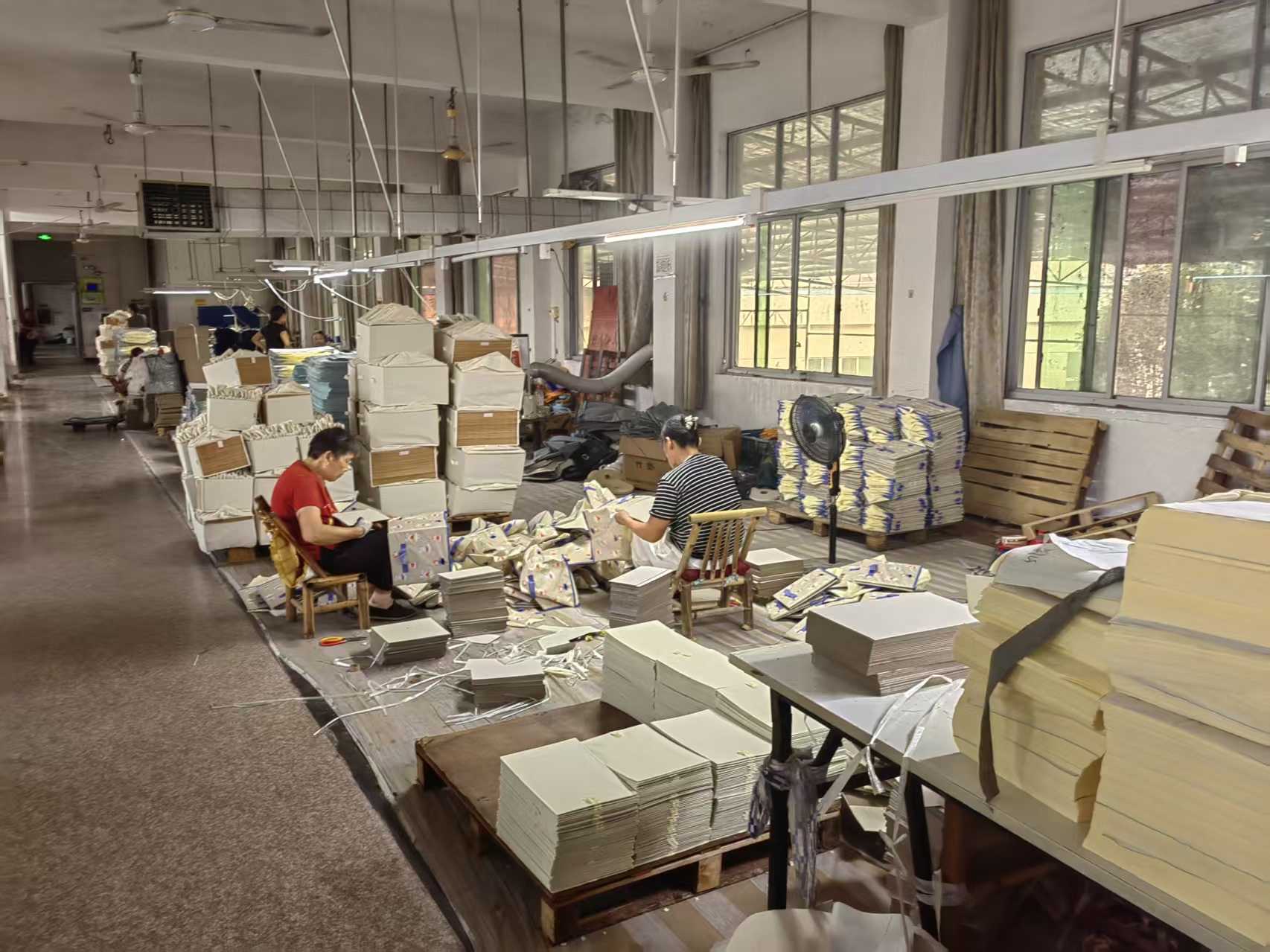
How Non-Woven Fabric Storage Boxes Are Made: A Factory Tour
From raw fabric to finished box — see the production process up close.
Read more →Custom & OEM Storage Boxes: A Complete Guide for Importers
MOQ, materials, sampling, and the full production workflow explained for buyers.
Read more →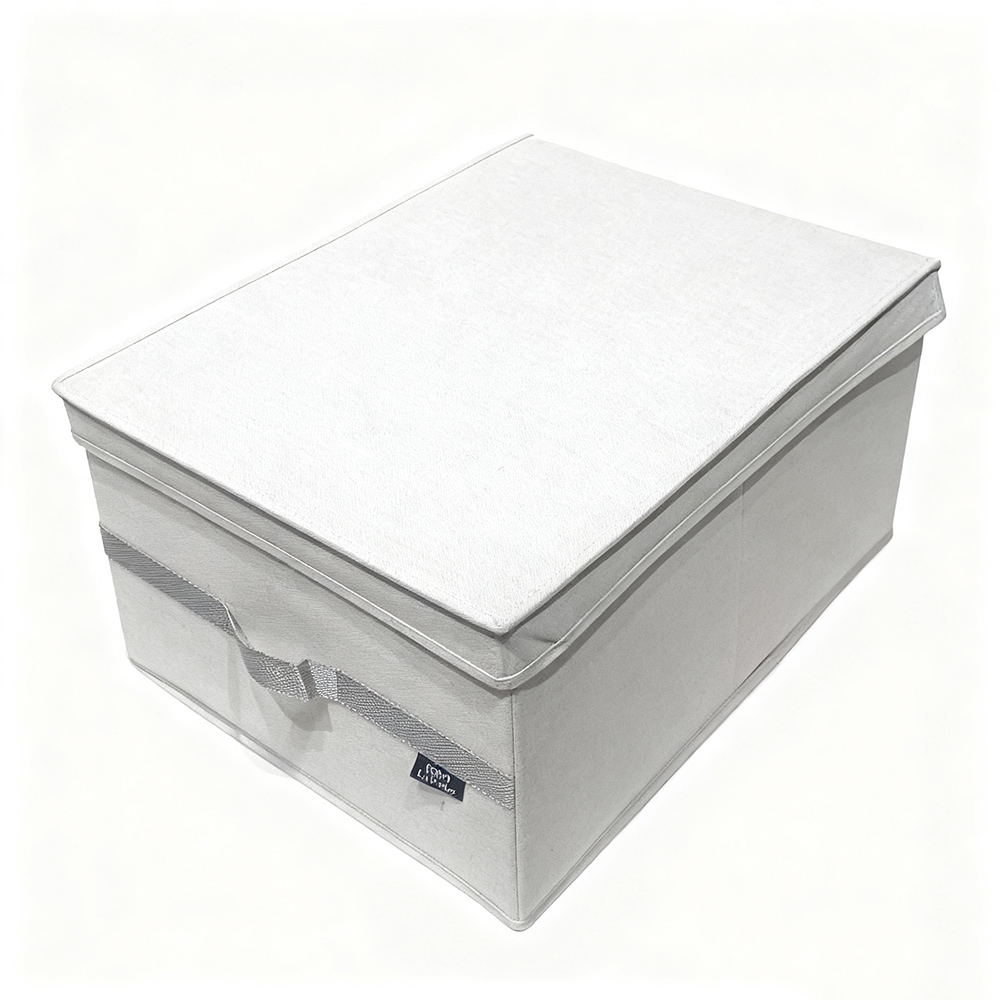
Foldable vs Rigid Storage Boxes: Which Should You Import?
A side-by-side comparison to help you choose the right product mix.
Read more →